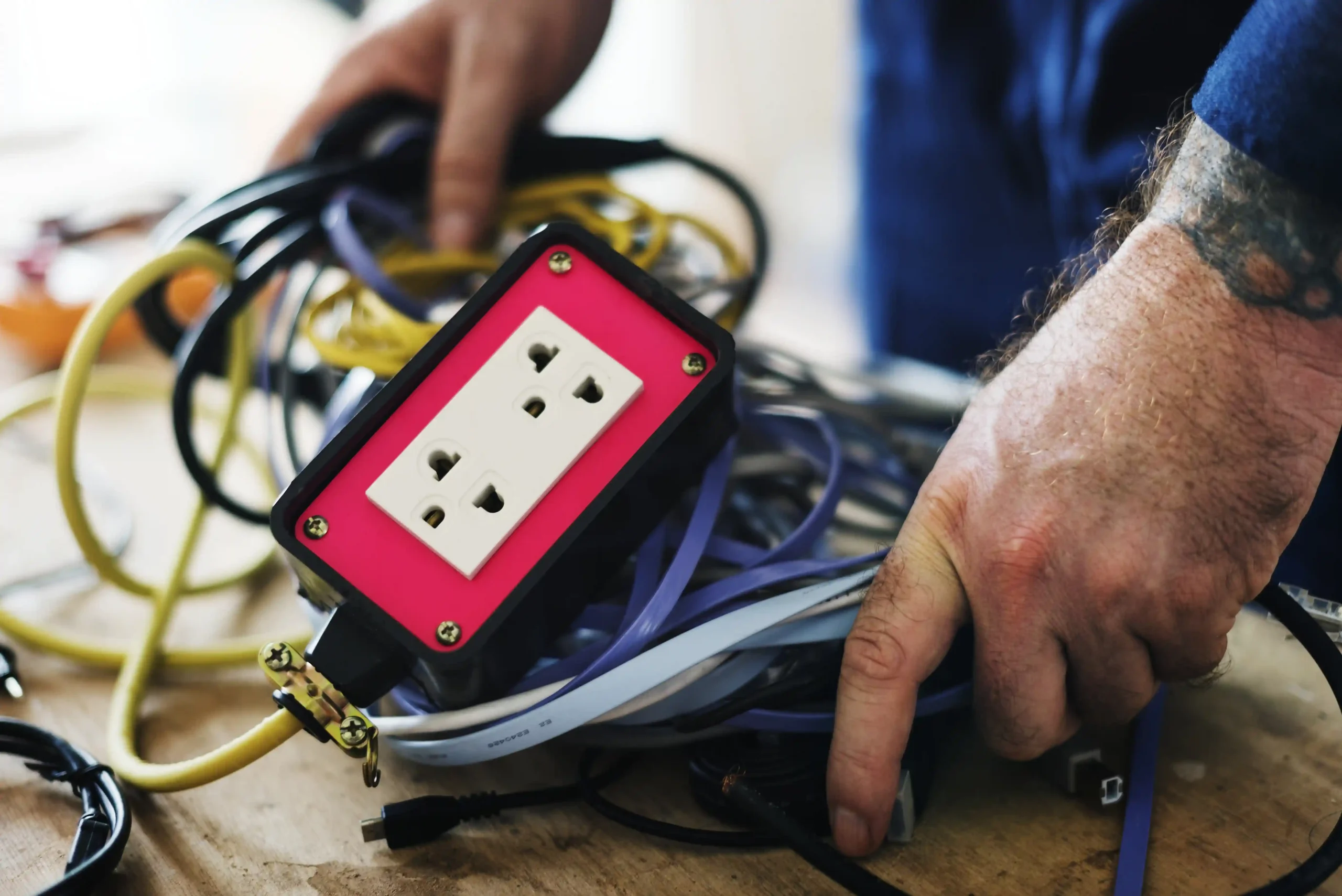
Electrical breakdowns can occur without warning, bringing your home or workplace to a sudden halt, whether it’s a tripped switchboard, a burnt-out appliance, or flickering lights that leave you questioning your safety, and alongside essential electrical services, solutions such as professional security camera installation can further enhance your property’s protection. In Sydney, where properties range from century-old heritage homes to modern apartments and commercial buildings, electrical systems are constantly under pressure, making it crucial to understand what causes electrical breakdowns, how to identify early symptoms, and the right steps to take during an outage to prevent costly repairs and serious hazards. This comprehensive guide explores every major aspect of electrical breakdowns—from causes, identification, environmental impacts, professional solutions, and commercial considerations, to preventive maintenance that extends the life of your entire electrical system.
What Exactly Is an Electrical Breakdown?
An electrical breakdown refers to any failure in the electrical system that disrupts normal power flow. This can include small issues such as flickering lights or more severe incidents like complete power blackouts, blown fuses, burnt wiring, or damaged electrical components.
Breakdowns can be:
- Localized (affecting one appliance, circuit, or room)
- Partial (impacting a section of the home or business)
- Total (complete loss of power across the property)
In nearly all situations, diagnosing the cause requires technical knowledge, which is why homeowners should avoid DIY attempts.
Common Causes of Electrical Breakdowns
Multiple factors can trigger electrical failures. Understanding these can help you respond more effectively and prevent future breakdowns.
1. Faulty Wiring and Aged Infrastructure
Sydney has many older suburbs with ageing electrical infrastructure. Over decades, wiring deteriorates due to:
- Brittle insulation
- Corrosion
- Rodent damage
- Wear from heavy loads
Old wiring becomes prone to short circuits, sparks, overheating, and even electrical fires.
2. Overloaded Circuits
Too many high-watt appliances plugged into one circuit overloads the system, causing:
- Tripped breakers
- Melted wiring
- Damaged outlets
- Fire hazards
Common high-load appliances include kettles, irons, microwaves, air conditioners, and electric heaters.
3. Poor-Quality DIY Electrical Work
Incorrect wiring, unsealed joints, loose terminals, and unsafe installations significantly increase the chance of breakdowns.
DIY electrical work is illegal in NSW and extremely dangerous.
4. Appliance Malfunctions
Older or faulty appliances can draw irregular power, creating surges or overloading circuits.
Appliances that frequently cause breakdowns:
- HVAC systems
- Washing machines
- Refrigerators
- Pool pumps
- Electric water heaters
5. Environmental Factors
Dust, insects, moisture, and temperature changes can weaken electrical components.
For example:
- Ants often infiltrate switchboards.
- Moisture corrodes wiring in coastal areas.
- Heat expands copper wiring, creating loose connections.
Early Warning Signs of Electrical Breakdowns
Identifying potential issues early can save you from expensive repairs and dangerous failures.
1. Flickering or Dimming Lights
Often caused by:
- Overloaded circuits
- Loose wiring
- Failing transformers
- Faulty switches
2. Burning Smell or Warm Outlets
If an outlet feels unusually warm or emits a burning odour, it’s a sign of overheating or melted wiring.
This requires immediate professional attention.
3. Frequent Tripping of RCD or Circuit Breakers
Your safety switches are designed to protect you from overloads, short circuits, and electrocution.
Frequent tripping means something deeper is wrong.
4. Buzzing or Humming Sounds
This sound indicates arcing—when electricity jumps between loose or damaged wires.
5. Discoloured Switches or Outlets
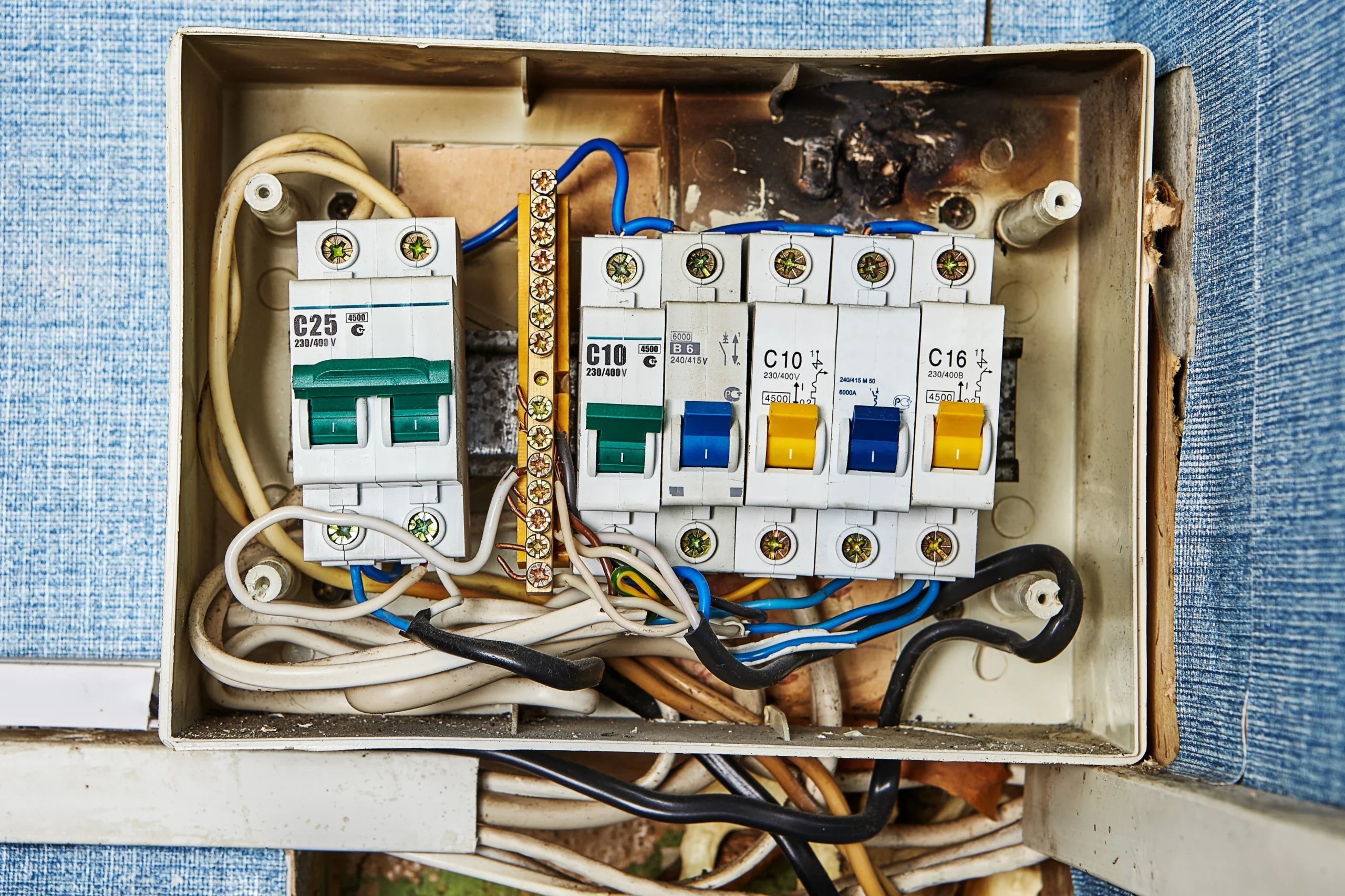
Burn marks or discoloration usually indicate heat damage due to poor wiring.
6. Unusual Electrical Bills
A sudden spike in electricity usage may indicate a faulty appliance drawing more energy than usual.
Impact of Seasonal & Environmental Factors on Electrical Systems
Sydney’s climate can directly affect electrical performance. From hot summers to stormy winters, weather contributes significantly to system failures.
1. Extreme Summer Heat
During heatwaves:
- Air conditioners run continuously
- Power demand spikes city-wide
- Switchboards face heavy load
- Cables expand and loosen
This results in:
- Overheating
- Tripped circuits
- Burnt wiring
2. Storms and Lightning Strikes
Storms can cause:
- Power surges
- Damaged transformers
- Fallen power lines
- Flooded outdoor switchboards
Lightning can send high-voltage spikes through your wiring, frying appliances instantly.
3. Humidity & Moisture
Moisture increases corrosion and can seep into:
- Switchboards
- Outdoor power points
- Underground cabling
This often leads to short circuits or complete breakdowns.
4. Coastal Corrosion
Sydney’s coastal suburbs have high salt levels in the air, which accelerate rust and electrical deterioration.
When an Electrical Breakdown Occurs: Essential Safety Steps
Stay calm and follow these steps to secure your home or business.
1. Turn Off All Sensitive Electronics
Unplug TVs, computers, and kitchen appliances to prevent surge damage.
2. Inspect the Switchboard
Identify whether:
- A single circuit tripped
- A main safety switch triggered
- There is a blackout in the entire area
3. Do NOT Touch Exposed Wires
Never attempt to repatch or untangle wiring yourself.
4. Avoid Water Contact
If a breakdown happens during a flood or storm, avoid wet areas—electrocution risks are extremely high.
5. Call a Licensed Electrician
In NSW, only licensed electricians can legally work on fixed wiring.
Importance of Surge Protection
A whole-house surge protector shields your home from voltage spikes caused by:
- Lightning strikes
- Faulty appliances drawing irregular currents
- Grid fluctuations during peak usage
- Sudden power restoration surges after outages
These devices act as a protective buffer, redirecting excess voltage safely away from your home’s internal wiring system, helping prevent wiring damage and reducing the likelihood of electrical fires. Without surge protection, even a single high-voltage spike can instantly destroy sensitive electronics such as computers, TVs, and smart home devices. For more detailed insights on how power surges affect household appliances, you can refer to this external resource: energy efficiency and electrical safety guide, which offers reliable information on maintaining safe and efficient electrical systems.
Why Surge Protection Matters More in Sydney
Sydney suburbs, especially coastal and storm-prone areas, often experience unpredictable weather that increases the risk of power surges. Coastal environments also introduce salt corrosion, which can weaken wiring and make systems more sensitive to voltage spikes.
Types of Surge Protection
- Whole-House Surge Protectors
Installed at the switchboard to protect all circuits and appliances.
- Point-of-Use Surge Protectors
Power boards designed for individual electronics like computers, televisions, and gaming consoles.
- Appliance-Level Surge Protectors
Built into advanced appliances (fridges, air conditioners) to regulate voltage input.
Long-Term Cost Savings
Surge protection reduces the need for expensive repair or replacement of:
- Refrigerators
- Dishwashers
- Smart TVs
- Security systems
- Home office equipment
A single surge protector can potentially save thousands of dollars in appliance damage.
Advanced Professional Solutions for Electrical Breakdowns
Licensed electricians use professional-grade diagnostic tools, including:
1. Thermal Imaging Cameras
Detect hidden hotspots behind walls and identify faulty connections.
2. Multimeters & Circuit Testers
Measure voltage irregularities and confirm whether a circuit is overloaded.
3. Earth Leakage Testing
Ensures your RCD responds correctly to electrical faults.
4. Load Balancing Techniques
Redistributing high-demand appliances across separate circuits reduces overload risks.
5. Complete Rewiring Services
Old or dangerous wiring is removed and replaced with modern, safer materials.
Why You Should Never Ignore Electrical Breakdowns
Electrical problems never resolve themselves.
Ignoring them leads to:
1. Fire Hazards
Arcing, loose connections, and overheated wires can ignite insulation or timber.
2. Appliance Damage
Repeated fluctuations and brownouts destroy motors and internal circuitry.
3. Shock Hazards
Faulty outlets and exposed wiring increase the risk of electric shock.
4. Increased Energy Bills
Damaged wiring draws more power due to resistance build-up.
Preventive Maintenance: Avoiding Future Electrical Breakdowns
Prevention is cheaper than repairs. Routine inspections significantly reduce the risk of unexpected failures.
1. Annual Electrical Health Check
A licensed electrician should inspect:
- Wiring
- Switchboards
- RCDs
- Appliances
- Earthing system
2. Switchboard Upgrades
Upgrading to a modern switchboard provides:
- Better protection
- Increased capacity
- Safety switches on all circuits
3. RCD Testing
Testing your safety switch ensures it will trip correctly during a real fault.
4. Thermal Imaging Maintenance
Identifies:
- Overloaded circuits
- Loose wiring joints
- Hidden overheating
5. Appliance Servicing
Fitness of appliances directly affects electrical health.
Energy Efficiency & Load Management Tips
Smart usage reduces breakdown risks and ensures your electrical system runs smoothly:
- Use energy-efficient LED lighting
LEDs consume up to 80% less electricity and minimize heat buildup in wiring. - Spread high-watt appliances across different circuits
Prevents overloads and reduces the chance of tripping switches. - Install power boards with overload protection
Adds an extra layer of safety by shutting off during excess current flow. - Use timers to avoid simultaneous appliance operation
Useful for water heaters, washing machines, pool pumps, and outdoor lighting. - Regularly clean fans, AC vents, and motors
Dust-clogged motors work harder, draw more power, and increase wiring strain.
Additional Energy & Load Management Strategies
1. Upgrade Old Appliances
Older appliances consume significantly more power and can create voltage instability. Modern appliances have better efficiency ratings and draw cleaner, more consistent current.
2. Unplug Dormant Devices
“Phantom loads” from unused chargers or devices still consume electricity and slowly strain circuits over time.
3. Use Smart Meters
Smart meters allow homeowners to track electricity usage in real time, helping identify:
- Overloaded circuits
- Faulty appliances
- Energy wastage
4. Switch to Solar Energy
Solar systems with battery storage reduce your dependence on the grid and lower the risks of grid-related surges.
5. Schedule Regular Electrical Maintenance
Routine testing ensures your switchboard, wiring, and protective devices are functioning optimally.
Special Considerations for Commercial & Industrial Properties
Electrical breakdowns in businesses carry larger consequences.
1. Business Continuity
Power outages lead to:
- Productivity loss
- Downtime
- Data loss
- Customer service interruptions
Installing UPS backup systems reduces downtime during minor breakdowns.
2. Three-Phase Power Issues
Factories, workshops, and warehouses operate using three-phase power.
If one phase fails, motors can “single-phase,” causing:
- Burnout
- Expensive repairs
- Machinery downtime
3. Compliance Requirements
Commercial buildings must meet strict safety standards under:
- Work Health & Safety Regulations
- AS/NZS 3000 Wiring Rules
- Commercial tenancy electrical requirements
4. Emergency Lighting & Exit Lights
Breakdowns affecting emergency lighting can lead to fines and safety violations.
How Smart Home Technology Helps Prevent Electrical Breakdowns
Modern smart systems can automatically detect and prevent failures.
1. Smart Switchboards
They monitor:
- Voltage
- Load
- Temperature
- Imbalances
and alert you before a breakdown occurs.
2. Smart Plugs & Energy Meters
These track consumption and detect faulty appliances before they cause damage.
3. Smart Surge Protectors
Provide real-time surge protection and energy reporting.
Future Trends in Sydney’s Electrical Safety
The electrical industry is moving towards:
- Fully digital switchboards
- AI-driven energy monitoring
- Solar-powered smart homes
- Automated emergency shutdown systems
These innovations will drastically reduce breakdown rates in the coming years.
1. Fully Digital Switchboards
Digital switchboards provide real-time insights into circuit performance, allowing homeowners and electricians to detect failures instantly.
Features include:
- Circuit-by-circuit load readings
- Automated alerts for overheating
- Remote shutdown capabilities
- Integration with smart home systems
2. AI-Driven Energy Monitoring
Artificial intelligence can analyze your home’s electrical patterns and predict issues before they occur.
AI systems can:
- Identify unusual power consumption
- Detect failing appliances
- Predict wiring failure points
- Suggest energy optimization methods
3. Solar-Powered Smart Homes
With the rise of rooftop solar and battery systems, Sydney homes are becoming more self-sufficient.
Future smart homes will use:
- Intelligent solar inverters
- Automated load-shifting
- Battery backups during grid failures
- Smart EV chargers
4. Automated Emergency Shutdown Systems
These advanced systems shut down circuits immediately when detecting:
- Overheating wiring
- Fault currents
- Arcing faults
- Fire risk levels
This protects your property long before visible symptoms occur.
5. Internet of Things (IoT) Integrated Appliances
IoT devices communicate with your electrical system to maintain efficiency and safety.
Future appliances will:
- Adjust power usage based on peak times
- Notify you of internal faults
- Report energy consumption trends
- Sync with home automation hubs
6. Battery Storage & Microgrid Development
Sydney is gradually moving toward local microgrids powered by renewable energy.
These systems:
- Reduce dependency on central grids
- Minimize blackout risks
- Provide cleaner, stable energy supply
7. Fire-Resistant Electrical Materials
Modern electrical systems will utilize fire-resistant wiring insulation and switchgear, significantly reducing fire hazards.
Conclusion
Managing electrical breakdowns requires awareness, preparation, and professional intervention, and by identifying early warning signs, understanding how weather and appliance behaviour influence your system, and taking a proactive approach, you can ensure your property remains safe and functional. Avoid DIY fixes, invest in preventive maintenance, and always rely on licensed electricians for repairs, as doing so minimizes risks and prevents issues from escalating. Whether you’re a homeowner or a business owner in Sydney, prioritizing electrical safety not only protects your property but also ensures long-term reliability, efficiency, and complete peace of mind.
Frequently Asked Questions
What are the most common signs of electrical breakdowns?
Common indicators include frequently tripping circuit breakers, flickering lights, and warm power outlets. If you notice a burning smell or hear buzzing sounds, these are urgent signs of electrical breakdowns that require immediate attention.
Can heavy rain cause electrical breakdowns in Sydney?
Yes, heavy rain can lead to moisture entering outdoor light fittings or underground wiring. This often causes the safety switch to trip, resulting in electrical breakdowns to protect the residents from electric shocks.
Why does my circuit breaker trip during electrical breakdowns?
A circuit breaker is designed to shut off power when it detects an overload or a short circuit. This safety mechanism prevents house fires and equipment damage during various electrical breakdowns.
How long does it take to fix typical electrical breakdowns?
Most minor faults can be diagnosed and repaired within one to two hours. However, complex electrical breakdowns involving damaged underground cables or full switchboard upgrades may take longer.
Are electrical breakdowns covered by home insurance?
This depends on your specific policy and the cause of the failure. Many policies cover electrical breakdowns caused by lightning or accidental damage, but they may exclude issues resulting from poor maintenance or old age.
Who should I call for emergency electrical breakdowns in Sydney?
You should contact a 24/7 emergency licensed electrician. They have the training and tools to safely manage electrical breakdowns and ensure your home meets Australian safety standards.
